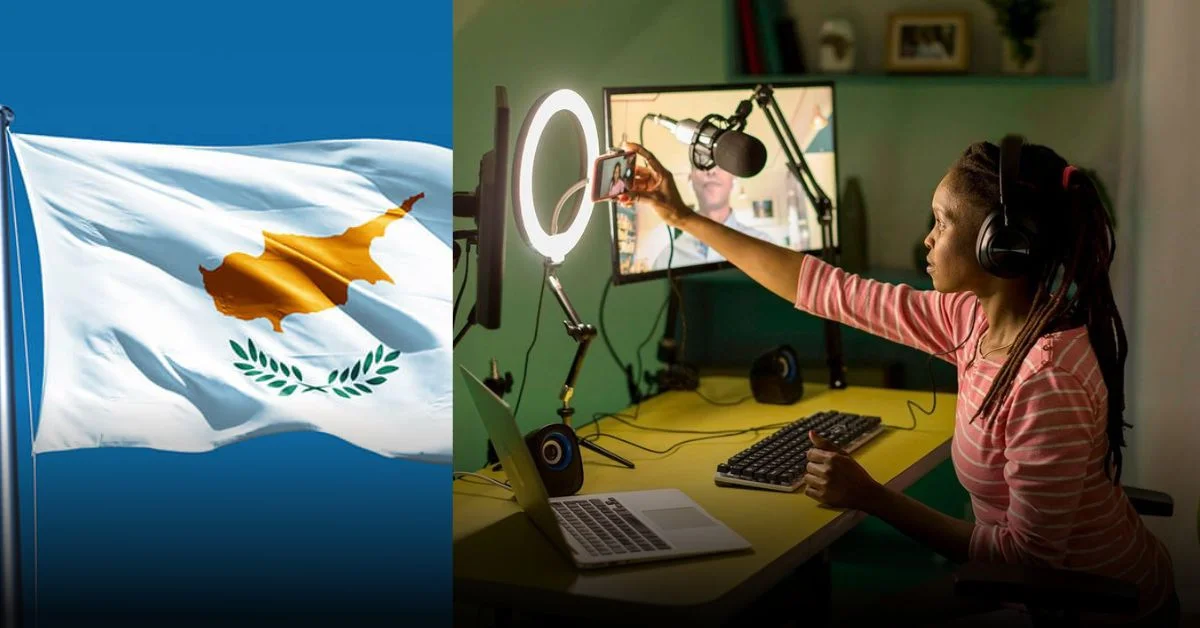
As the global creator economy continues to expand, countries across Europe are adapting their immigration systems to attract content creators, influencers, YouTubers, streamers, digital entrepreneurs, and online educators. In 2026, Cyprus has positioned itself as a quiet but strategic destination for content creators seeking legal residence, tax efficiency, and access to the European Union without the heavy bureaucracy seen in larger EU states.
Unlike countries that offer explicitly named “Influencer Visas,” Cyprus operates through a combination of residence permits, self-employment pathways, and digital-friendly immigration frameworks that can legally support content creators and influencers. However, the lack of a single branded visa category makes it essential to understand which legal route applies to your income model, audience location, and business structure. This article explains the legal setup for content creators and influencers in Cyprus in 2026, including available visa options, eligibility requirements, tax considerations, business registration rules, and which pathway works best for different types of creators.
Table of Contents
- Why Cyprus Is Attracting Content Creators in 2026
- Does Cyprus Have an Official Influencer Visa?
- Legal Residence Options for Content Creators in Cyprus
- Cyprus Digital Nomad Visa for Creators
- Self-Employment and Business Setup Routes
- Income Sources and Eligibility Requirements
- Tax Residency and Creator Tax Planning
- Social Insurance and Healthcare Considerations
- Family Reunification and Long-Term Residence
- Common Mistakes Influencers Make in Cyprus
- Which Visa Option Fits Different Creator Types
- Final Legal and Strategic Recommendations
1. Why Cyprus Is Attracting Content Creators in 2026
Cyprus has quietly become one of the most attractive jurisdictions in Europe for digital professionals. With a Mediterranean lifestyle, English-friendly legal system, EU membership, and favorable tax rules for foreign residents, the country offers an ideal environment for creators who earn income online rather than locally.
In 2026, Cyprus continues to market itself as a hub for remote workers, entrepreneurs, and digital businesses, while maintaining relatively flexible immigration policies. For influencers and content creators who operate globally—earning through brand deals, ad revenue, sponsorships, affiliate marketing, or platform monetization—Cyprus provides a stable legal base without requiring local employment.
2. Does Cyprus Have an Official Influencer Visa?
Cyprus does not currently offer a visa officially labeled as an “Influencer Visa” or “Content Creator Visa.” Instead, creators must apply through existing legal residence frameworks that are compatible with independent online income.
This approach is common across Europe. Rather than targeting influencers specifically, governments regulate income source, residency status, and tax compliance, allowing creators to fit under broader categories such as remote workers, self-employed professionals, or company owners.
The legal success of a creator in Cyprus depends on how income is structured, not on follower count or platform size.
3. Legal Residence Options for Content Creators in Cyprus
In 2026, content creators and influencers typically qualify under one of the following legal pathways:
- Cyprus Digital Nomad Visa
- Self-Employed Residence Permit
- Company Owner / Director Residence
- Temporary Residence with Foreign Income
Each route has different implications for taxes, reporting, and long-term settlement.
4. Cyprus Digital Nomad Visa for Creators
The Cyprus Digital Nomad Visa is the most straightforward option for content creators who earn income from outside Cyprus and do not provide services to Cypriot companies or audiences directly.
This visa allows non-EU nationals to reside in Cyprus while working remotely for foreign clients or platforms. Influencers earning through YouTube, Instagram, TikTok, Patreon, Substack, or foreign brand collaborations often qualify under this category.
Key characteristics:
- Income must originate outside Cyprus
- No local employment allowed
- Proof of stable monthly income required
- Private health insurance mandatory
- Temporary residence, renewable under conditions
This route is especially popular with solo creators and freelancers who do not need a local business presence.
5. Self-Employment and Business Setup Routes
Creators who actively manage brand deals, employ staff, or want to invoice clients formally may prefer a self-employment or company-based residence permit.
Under this structure, a content creator:
- Registers as a self-employed individual or company director
- Declares income locally
- Pays Cyprus taxes and social contributions
- Gains stronger long-term residency rights
This option suits influencers running agencies, production teams, or multiple revenue streams that require formal business operations.
Cyprus company formation is relatively fast, and the legal system is familiar with international digital businesses, making compliance manageable.
6. Income Sources and Eligibility Requirements
Cyprus authorities focus on income stability and legitimacy, not online popularity.
Acceptable income sources for creators include:
- Advertising revenue (YouTube, blogs, podcasts)
- Sponsored content and brand deals
- Affiliate marketing commissions
- Subscription platforms (Patreon, OnlyFans, Substack)
- Online courses and digital products
Applicants must demonstrate:
- Consistent income history
- Transparent payment records
- Contracts or platform statements
- Financial self-sufficiency
Irregular or undeclared income is a common reason for visa complications.
7. Tax Residency and Creator Tax Planning
Tax is one of the main reasons creators choose Cyprus.
In general:
- Tax residency applies after spending more than 183 days per year in Cyprus
- Cyprus offers non-dom tax benefits for qualifying foreign residents
- Foreign-sourced income may receive favorable treatment under certain conditions
Creators must carefully structure income flows to avoid double taxation and ensure compliance with both Cyprus and home-country tax laws.
Professional tax advice is strongly recommended for influencers earning across multiple jurisdictions.
8. Social Insurance and Healthcare Considerations
Digital nomad visa holders are usually required to maintain private health insurance, as they are not automatically enrolled in Cyprus public healthcare.
Self-employed creators or company directors may need to:
- Register for social insurance
- Contribute to healthcare and pension schemes
- Comply with local employment regulations
Healthcare access and insurance compliance are essential for residence permit renewals.
9. Family Reunification and Long-Term Residence
Cyprus allows family reunification under most long-term residence permits, provided income thresholds and accommodation requirements are met.
For creators planning permanent relocation:
- Long-term residence permits may be available after continuous legal stay
- Permanent residence options exist under certain investment or income criteria
- Citizenship requires extended residence and integration
Digital nomad visas are usually not ideal for long-term settlement without transitioning to another permit type.
10. Common Mistakes Influencers Make in Cyprus
Many creators face legal issues due to misunderstandings, including:
- Assuming online income is “tax-free”
- Using tourist visas while monetizing content
- Failing to declare sponsorship income
- Not registering business activities properly
- Ignoring health insurance obligations
Cyprus authorities increasingly monitor digital income, especially in 2026 as creator visas gain popularity.
11. Which Visa Option Fits Different Creator Types
- Solo YouTubers / bloggers → Digital Nomad Visa
- Influencers with brand contracts → Self-employment route
- Agency owners / production studios → Company-based residence
- Creators planning permanent EU life → Business or long-term residence permits
Choosing the wrong structure can create tax risk and immigration problems later.
12. Final Legal and Strategic Recommendations
In 2026, Cyprus offers one of the most flexible and creator-friendly legal environments in the European Union—but only if the correct visa and income structure is chosen. While there is no officially branded “Influencer Visa,” the country’s digital nomad, self-employment, and business residence frameworks provide legitimate pathways for content creators to live and work legally.
Success depends on transparency, proper income documentation, tax planning, and understanding the difference between remote foreign income and local economic activity. Content creators who treat their work as a professional business—rather than a hobby—will find Cyprus to be a stable and strategic base in the EU.